
Share
Introduction
Autism Spectrum Disorder (ASD) is like the kale of neurological conditions—everyone knows someone who's interested in it, but no one knows exactly what to do with it. Affecting approximately 1 in 54 children in the United States, ASD is a complex condition characterized by challenges in social skills, repetitive behaviors, and speech and nonverbal communication. But hey, each challenge is an opportunity for our superheroes to find their unique pathways, right?
Given the prevalence and impact of ASD, exploring various interventions and treatments is as vital as your morning coffee—and potentially filled with fewer ups and downs! Enter stage left: Omega-3 fatty acids. Known for their general health benefits, these supplements have recently made headlines as a potential intervention for autism. Can omega-3s be the missing puzzle piece for ASD? Let's dive in!
Understanding Omega-3 Fatty Acids
First things first, what are these omega-3 fatty acids that everyone raves about at health conventions like they're the celebrity of nutrients? Omega-3s are polyunsaturated fats important for brain development and function. You primarily encounter three types:
- EPA (Eicosapentaenoic Acid): Found in fatty fish and fish oil, known for its anti-inflammatory properties. Also known for always being the cool kid on the nutritional block.
- DHA (Docosahexaenoic Acid): Also resides in fish and fish oil; crucial for brain health and development. Think of DHA as the brain's personal trainer.
- ALA (Alpha-Linolenic Acid): Found in plants, like flaxseeds and walnuts. ALA takes some extra steps to convert into EPA and DHA in your body—like the friend who always needs a lift but is totally worth it!
Common dietary sources—let's call this the Omega-3 fan club—include salmon, mackerel, chia seeds, and even those unsuspectingly nutritious walnuts. Omega-3s are known for supporting brain development and function. So, why shouldn't they get a cameo in the autism story?
The Connection Between Omega-3 Supplements and Autism
Researchers have peered into omega-3s as a potential therapy for ASD, not just out of curiosity, but because omega-3s play a crucial role in brain health and inflammation. Here are a few hypotheses floating around:
- Brain Cell Communication: Omega-3s might improve neuronal communication. It's like offering a better smartphone to your neurons so they can plan get-togethers more efficiently.
- Reducing Inflammation: Guess what? Omega-3s can help reduce brain inflammation, which is sometimes found in individuals with ASD.
- Behavioral Influences: By affecting neurotransmitter pathways, omega-3s might moderate behaviors and symptoms associated with autism. Think of it as dimming down overly glaring lights at a rock concert—more fun and less headache-prone!
Review of Scientific Studies
But don't just take my word for it; let the scientific studies chat with you at the party:
Positive Findings:
- Improved Social Interactions: Some studies highlight omega-3 supplements leading to better social engagement. The quiet kids finally get behind the mic!
- Reduction in Hyperactivity: Several reports note decreased hyperactivity. Now parents can enjoy an extra half-hour of Netflix before curious kids gate-crash the living room.
- Enhanced Communication Skills: Research has shown improvements in language skills. Welcome to the chatty party, let's hear your story!
Mixed or Inconclusive Results:
- No Significant Improvement: Some said 'meh.' No whopping changes, but hey, neutrality is a form of peace, isn't it?
- Variability Based on Dosage: The Goldilocks zone—finding that 'just right' dosage is crucial.
- Study Design Differences: They say design is everything—whether you're talking interior or research.
Negative Findings:
- No Noticeable Benefits: Some found no impact or even encountered potential adverse effects. Omega-3s, like friends, should be chosen wisely.
- Supplements vs. Therapies: Don't drop behavioral therapies; they are key players, not stand-ins.
- Possible Side Effects: Some reports of fishy aftertaste and interactions. Omega-3s may travel by boat but enjoy a cleaner exit, please!
Considerations and Recommendations
Before you go running to grab an omega-3 catalog:
- Consult with Healthcare Pros: Always chat with a healthcare professional before sprucing up your health regimen.
- Recommended Dosages: Generally, 500-2,000 milligrams of combined EPA and DHA could be beneficial, but consult the experts.
- Holistic Approach: Integrate therapies and lifestyle adjustments with omega-3 supplements for well-rounded support.
Challenges and Limitations in Current Research
While omega-3 research is promising, some hurdles remain:
- Study Design Limitations: Small sample sizes and lack of placebo control can muddle results.
- Dietary Varieties: Participants' varied diets could influence findings.
- Need for Long-Term Studies: For conclusive evidence, more lengthy studies are needed.
Future Directions and Research
Emerging research areas beckon like a bright lighthouse:
- Personalized Nutrition: Tailoring omega-3s for individual biological makeup. It's the intelligent future of supplements!
- Diverse Study Populations: We need studies encompassing broader demographic diversity to enhance understanding.
Practical Tips for Parents and Caregivers
Integrate omega-3 into daily life with flair:
- Family Meal Makeovers: Try salmon poke bowls or walnut-crusted chicken.
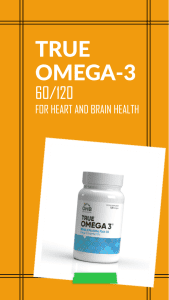
- Quality Over Quantity: Choose high-quality omega-3 supplements like Optimal Health Bridge's array of goodness—now that's a catch of the day!
- Behavioral Logs: Track changes and discuss with professionals—another reason to hoard colorful post-its.
Conclusion
Omega-3 supplements hold potential in the quest to manage ASD symptoms, but they are not a one-size-fits-all solution. Customized treatment plans incorporating scientific research, individual health needs, and continuous exploration of complementary therapies remain key.
Optimal Health Bridge stands ready with premium omega-3 supplements to support your journey towards a healthier lifestyle. Remember, it’s not just about adding years to life, but life to those years—so here’s to brighter tomorrows and the joy of discovery!
References
- "Omega-3 fatty acids for the treatment of autism spectrum disorder: A systematic review and meta-analysis," Journal of Autism and Developmental Disorders.
- "Dietary supplementation and autism spectrum disorder: Myths and facts," Nutritional Neuroscience.
- "The effects of omega-3 fatty acid supplementation in children with autism: A randomized, double-blind, placebo-controlled study," Research in Autism Spectrum Disorders.
For those interested in delving deeper, these studies provide foundational reading, exploring the promising yet complex relationship between omega-3 supplements and autism. Happy reading and discovering!