
Share
Understanding Good Fats and Where to Find Them
We hear it all the time—eat more “good” fats and stay away from the bad ones. But what does that really mean? Let’s break it down in a simple way.
Types of Good Fats
Here are the main types of fats that are actually good for your body:
- Monounsaturated fats (MUFAs): These come from plants and can help lower bad cholesterol.
- Polyunsaturated fats (PUFAs): This group includes the popular omega-3 and omega-6 fats.
- Omega-3 fatty acids: These are best known for supporting your heart, brain, and immune system.
Foods That Are High in Good Fats
Here are some tasty, healthy foods filled with the good stuff:
- Avocados
- Olive oil
- Almonds, walnuts, and pecans
- Fatty fish like salmon, sardines, and mackerel
- Seeds like flax, chia, and hemp
- Natural peanut and almond butter
- Dark chocolate
- Eggs from pasture-raised chickens
- Soy foods like tofu and edamame
- Cold-pressed oils like flaxseed, walnut, and canola
What Is Inflammation?
Before we talk about fats and how they affect inflammation, we need to understand what inflammation really is.
Two Types of Inflammation
- Acute inflammation: This happens quickly—like when your skin turns red after a scrape. It helps your body heal.
- Chronic inflammation: This sticks around too long and can harm your body. It may lead to bigger health problems.
Why Chronic Inflammation Is a Problem
When inflammation doesn’t go away, it can raise your risk for the following conditions:
- Heart disease
- Type 2 diabetes
- Alzheimer’s disease
- Autoimmune disorders
- Some types of cancer
In short: keeping inflammation in check is really important for staying healthy long-term.
How Good Fats Affect Inflammation
Let’s take a closer look at how good fats work in your body to help lower inflammation.
How Omega-3 Fats Help
Omega-3 fats are kind of like peacekeepers for your body. They can:
- Lower substances that cause inflammation
- Turn into helpful molecules that calm down the immune system
- Help your body respond in a balanced, healthy way
Monounsaturated Fats and Inflammation
Oleic acid, which is found in olive oil, can:
- Turn off genes linked to inflammation
- Help your body manage insulin better
- Play a big role in the healthy Mediterranean diet
Omega-6 Fats: Tricky But Important
This fat group can be a bit confusing.
- Omega-3s help reduce inflammation.
- Too many omega-6s might increase inflammation.
Most people eat too many omega-6s and not enough omega-3s. A better balance helps keep your body healthier. Try to get your ratio closer to 4:1 or even 1:1 instead of the average 15:1 found in many Western diets.
When Good Fats Might Not Be So Great
Even healthy fats can cause problems if they’re not eaten the right way.
New Discoveries You Should Know
Recent research shows a few important things:
- Some polyunsaturated fats (PUFAs) can be harmful if they’re processed or cooked at high temperatures.
- Too many omega-6s compared to omega-3s may cause inflammation.
- Even good fats can lead to weight gain if you eat too much—and higher body fat levels can lead to more inflammation.
The Difference Between Whole and Processed Fats
It’s not just which fat you eat—it’s also how it’s made. For example:
- Refined vegetable oils like soybean, corn, and canola can break down and form harmful compounds when they’re heated.
- Even foods cooked with healthy oils (like avocado oil chips) aren't always a “healthy” choice if the fat gets damaged during cooking.
Stick with fats in their most natural form whenever possible.
10 Important Studies About Fats and Inflammation
Here are 10 research studies that help explain how fats affect your health:
- Harvard T.H. Chan (2019): Found that swapping out saturated fats with PUFAs can reduce inflammation.
- Journal of Clinical Lipidology (2020): EPA omega-3 supplements reduced inflammation markers in people with metabolic issues.
- American Journal of Clinical Nutrition (2016): Fish oil supplements helped older adults lower inflammation.
- PREDIMED Study (2013): A Mediterranean diet rich in olive oil lowered inflammatory markers.
- British Journal of Nutrition (2021): Diets high in MUFAs helped lower levels of C-reactive protein.
- Journal of Inflammation Research (2018): Too much omega-6 can make inflammation worse.
- Neurology (2020): High omega-3 intake was linked to less brain inflammation and lower dementia risk.
- Annals of Internal Medicine (2022): People who ate more nuts had less inflammation overall.
- Nature Communications (2019): Showed how omega-3s help the body calm down after illness or injury.
- The Lancet (2021): Highlighted that cutting out processed fats—not all fats—is key for heart health.
Final Thoughts: It’s All About Balance
At Optimal Health Bridge, we believe that staying healthy shouldn’t feel like a strict diet—it should feel like a table full of smart choices. Good fats matter—for your heart, your brain, and your overall well-being. But the power is in the balance.
- Focus on whole, natural food sources
- Try to even out that omega-6 to omega-3 ratio
- Eat with intention, not just instinct
Whether you’re adding chia seeds to your smoothie or taking one of our top-quality omega-3 supplements, you’re making a smart move for your health. Want more tips backed by science? Visit us at Optimal Health Bridge and see how smart food, a little fun, and great omega-3s can make wellness easier than ever.
With care,
The Optimal Health Bridge Team
Shop Our Best Omega-3 Supplements
If you’ve made it this far, you’re probably ready to give your body the very best. Check out our most popular picks:
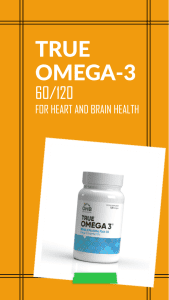
- EPA/DHA Ultra Omega-3: High strength for maximum support
- Brain & Heart Omega-3 Blend: Made to protect your most vital organs
- Vegan Algae-Based Omega-3: Perfect for plant-based lifestyles
Ready to start feeling your best? Shop now at OptimalHealthBridge.com.
Got a nutrition question you want us to cover next? Let us know in the comments!