
Share
What Is Rheumatoid Arthritis (RA)?
Before we talk about Omega-3s, let’s take a moment to understand RA and why it can be so tough.
Rheumatoid arthritis is:
- An autoimmune disease — this means your immune system mistakenly attacks your own joints.
- It usually affects joints in your hands, feet, and knees.
- You may feel pain, swelling, stiffness, tiredness, and even have a slight fever.
- RA can also affect your heart, lungs, or eyes.
Doctors usually treat RA with medications like NSAIDs (ibuprofen), DMARDs (such as methotrexate), steroids, or biologic injections. But these can have side effects, so many people look for natural ways to feel better—like taking Omega-3 supplements.
What Are Omega-3 Fatty Acids?
Omega-3s are healthy fats that are super important for your body. But the thing is, your body can’t make them on its own. So, you need to get them from food or supplements.
There are three main types of Omega-3s:
- ALA (Alpha-linolenic acid) – Found in plants like seeds and nuts.
- EPA (Eicosapentaenoic acid) – Found in fatty fish.
- DHA (Docosahexaenoic acid) – Also found in fish and important for your brain and eyes.
Plant-based sources of Omega-3s:
- Chia seeds
- Flaxseeds
- Walnuts
Animal-based sources:
- Salmon
- Mackerel
- Sardines
- Tuna
Omega-3 supplements:
- Fish oil (what we love here at Optimal Health Bridge)
- Algal oil (a great vegan option!)
How Omega-3s Help with Inflammation
RA causes inflammation that damages your joints and causes lots of pain. Omega-3s work like superheroes to calm that inflammation down.
They help by:
- Lowering chemicals in your body that cause inflammation
- Blocking harmful fatty acids that make swelling worse
- Helping your body make more calming, protective molecules
That means fewer flare-ups and less joint damage over time!
10 Ways Omega-3s May Help with RA
Here are some of the possible benefits of adding Omega-3s to your health routine:
- Less joint pain and stiffness
- Improved movement in the morning
- Fewer pills like NSAIDs needed
- Stronger grip strength
- Better physical movement and activity
- Lower disease scores your doctor checks
- Healthier heart (RA can raise heart risks)
- Better mood and mental wellness
- May help slow down how fast RA gets worse
- Lower levels of inflammation in blood tests
What Does the Research Say?
Studies show Omega-3s can really help people with RA:
- A 2021 review found that Omega-3s helped reduce joint pain and stiffness in people with RA.
- A 2017 study showed people had less pain and needed fewer anti-inflammatory meds after taking Omega-3s.
- Another study in 2016 found people had lower disease activity after 3 months of fish oil supplements.
While researchers say we still need more studies, the current science looks pretty encouraging!
How to Take Omega-3 Supplements
If you want the best results, here are some tips:
- Recommended dose: 2,000–3,000 mg of EPA and DHA (combined) per day
- Pick high-quality fish oil – like the kind we make here at Optimal Health Bridge
- Take with food – it helps your body absorb it better
- Stay consistent – results build over time
- Be careful – Omega-3s can thin your blood, so check with your doctor if you're taking blood thinners
Bonus tip: Get rid of fishy burps by putting your supplements in the fridge or buying coated capsules.
Omega-3s vs. Whole Foods — Which Is Better?
Here’s a quick comparison:
| Feature | Whole Foods | Supplements |
|---|---|---|
| Absorption | Naturally absorbed | Very concentrated |
| Convenience | Can take time to prepare | Easy to take (just a pill!) |
| Risk from heavy metals | Higher in large fish | Purified oils are much safer |
| Control of EPA/DHA levels | Hard to measure | Exact dosage |
Best option? Use both food and supplements for the biggest benefits!
Healthy Habits That Go Great with Omega-3s
Omega-3s are powerful, but they work even better with good daily habits. Try these:
- Eat a Mediterranean-style diet (olive oil, veggies, fish)
- Exercise gently — try walking, stretches, or swimming
- Reduce stress — deep breathing, meditation, or pet your dog!
- Get good sleep — same schedule, dark room, less screen time
- Drink plenty of water
- Cut down on sugar and processed food
- Get sunlight or take Vitamin D
- Use less salt to help reduce swelling
- Watch for foods that trigger your RA symptoms
- Laugh or listen to music — having fun actually helps reduce inflammation!
Common Omega-3 Myths
Let’s clear up a few common misunderstandings:
-
Myth: More Omega-3 means faster results.
Truth: It's about taking the right amount daily — more isn't always better. -
Myth: Only fish oil works.
Truth: Plant-based Omega-3s help too, though they work a little differently. -
Myth: Omega-3s replace RA medicine.
Truth: They work best as part of your overall plan, not a full replacement. -
Myth: All Omega-3 supplements are the same.
Truth: Quality really matters! Go with trusted brands. -
Myth: You’ll feel better in a week.
Truth: It may take a few months to notice results. Stick with it!
Final Thoughts
If you live with RA, Omega-3s may offer a natural way to help ease your symptoms and support your overall health. They won’t replace your medication, but they can be a helpful part of your wellness routine.
Whether you're reaching for a pickle jar with less pain or feeling more energized in the morning, a daily dose of Omega-3s might make a real difference.
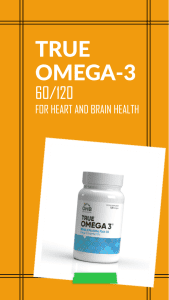
At Optimal Health Bridge, we’re here to help you find the right supplements for your needs — starting with our high-quality Omega-3s made with love and care.
Check out our Omega-