
Share
Welcome to the golden years—menopause! Okay, maybe it’s not everyone’s favorite time, with hot flashes, mood swings, and tears during TV commercials. But here’s the good news: after menopause, your body has the chance to feel strong and vibrant again—with the right support.
At Optimal Health Bridge, we're here to help you feel your best. With science, great supplements, and a few fun fish facts, let’s explore how Omega-3s can help you stay healthy by improving important signs in your blood called serum biomarkers.
1. Understanding Menopause and What It Does to Your Body
Menopause isn’t just the end of your period. It brings a lot of changes, mostly because your hormones take a big shift.
- Menopause is official after 12 months without a period.
- It usually happens between ages 45 and 55.
- Your body makes less estrogen and progesterone during this time.
Those changes can lead to other problems, like:
- Higher risk of heart problems
- Weaker bones (which can lead to osteoporosis)
- Memory problems or “brain fog”
- More inflammation in the body (which can cause pain and stiffness)
- Trouble sleeping and feeling tired all the time
- Weight gain, especially around the belly
But here's the hopeful part—things like eating better and taking Omega-3s can really help!
2. What Are Omega-3 Fatty Acids?
You’ve probably heard of Omega-3s on health blogs or from friends who love fish and smoothies. But what are they?
Omega-3s are healthy fats that your body needs for your heart, brain, joints, and cells to work well.
The main types are:
- EPA – helps fight inflammation
- DHA – important for your brain and eyes
- ALA – found in plants, and your body can turn it (a little) into EPA and DHA
You can get Omega-3s from:
- Fatty fish like salmon, mackerel, and herring
- Flaxseeds, chia seeds, and walnuts (they have ALA)
- Supplements (great if you don't like fish or are vegetarian)
Omega-3s are like tiny heroes. They help keep your body calm inside and your cells healthy and strong.
3. How Omega-3s Help Important Blood Markers After Menopause
Serum biomarkers are small signs in your blood that show how your body is doing. Omega-3s can help improve many of these. Here are just a few:
- C-reactive protein (CRP) – Lower means less inflammation
- Interleukin-6 (IL-6) – Omega-3s help calm this down
- TNF-alpha – Another sign of inflammation that Omega-3s can reduce
- Total cholesterol – Omega-3s can help lower this
- LDL ("bad" cholesterol) – Lower is better
- HDL ("good" cholesterol) – Higher is better, and Omega-3s help
- Triglycerides – Omega-3s can bring these down 15–30%
- Estrogen – Omega-3s can mimic some of its wellness benefits
- FSH (Follicle-Stimulating Hormone) – Shows hormone changes
- Osteocalcin and Vitamin D – Help keep bones strong
- Glucose and insulin – Better for blood sugar control
- BDNF (Brain-derived Neurotrophic Factor) – Great for memory and brain health
- Cortisol – Lower stress equals better sleep and less belly fat
Omega-3s help your body feel more balanced and work better overall.
4. What the Research Says About Omega-3s and Postmenopause
Studies show that Omega-3s can help with all kinds of problems women face after menopause. Some of the top benefits include:
- Less inflammation in the body
- Lower risk of heart problems
- Better brain function and lower risk of memory loss
- Improved mood and less depression
- Stronger bones and less bone loss
- Less joint pain and more flexibility
- Improved blood sugar control
- Healthier, clearer skin
- Fewer hot flashes and better sleep quality
- Slower aging at the cellular level
- Healthier liver function
- Better eyesight and eye health
No, Omega-3s aren’t magic—but they sure come close!
5. How Much Omega-3 Should You Take?
Daily Recommendations
- For general health: 250–500 mg of EPA and DHA
- For postmenopausal health: 1,000–2,000 mg per day
Be sure to talk with your doctor before starting any supplement, especially if you take medications like blood thinners.
How to Pick a Good Omega-3 Supplement
Not all fish oil is high quality. Look for:
- High amounts of EPA and DHA (at least 500 mg per serving)
- Third-party testing to make sure it’s clean and pure
- Dark bottles with no strong fishy smell
- No fishy burps (a sign the oil is going bad)
- Molecular distillation for safety and purity
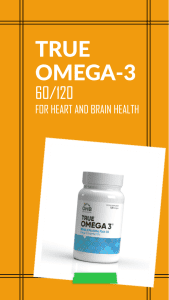
At Optimal Health Bridge, we only offer purified, potent, and burp-free Omega-3s that meet these standards.
Other Nutrients That Work Well with Omega-3s
- Vitamin D3 – for strong bones and good mood
- Magnesium – for the nervous system and hormone balance
- Coenzyme Q10 – for heart energy and strong cells
- Curcumin – turmeric’s powerful anti-inflammatory helper
Together, they make your body feel even better.
Final Thoughts: Feel Your Best After Menopause
Menopause is not the end—it’s a new beginning! Hormones change, sleep may suffer, and your body feels different. But with the help of good nutrition and Omega-3s, you can boost your energy and feel good again.
At Optimal Health Bridge, we’re committed to helping you stay healthy with top-quality Omega-3s that support your heart, brain, and body. If you're asking, “Do I really need Omega-3s?”—the answer from your future self will definitely be YES.
And remember, the only thing better than a night without hot flashes is waking up feeling focused, rested, and strong.
Here’s to staying vibrant, energized, and ready for anything. 🥂
Ready to feel your best with powerful, purified Omega-3s?
Check out our full collection at Optimal Health Bridge and start your new healthy chapter today.
Stay well, stay happy, and don’t forget to smile. Feeling good is the best makeover of all!