
Share
Introduction
Hey there, health enthusiasts! Today, we’re diving deep—no pun intended—into the fascinating world of fish-oil supplementation and cardiovascular health for hemodialysis patients. If you're thinking, "What on earth do fish oils have to do with hemodialysis?" you're in the right place. This article will explore the potential of fish-oil supplements as tiny, heroic capsules striving for better heart health in those undergoing hemodialysis. Plus, it's backed by exciting new research we've got to share!
At Optimal Health Bridge, we've always believed in the power of premium Omega-3s, and recent studies, like those in the New England Journal of Medicine, have given our excitement even more credibility. So, let’s embark on a journey through science and wellness, aimed at providing you invaluable insights while having a little fun!
Understanding Hemodialysis and Cardiovascular Risks
Before we get into the omega-3s, let’s learn a bit about hemodialysis, which is not, as some might think, the newest TikTok dance craze. It's actually a life-saving treatment for those with kidney failure. Essentially, it's the process of using a machine to mimic what a healthy kidney does: filtering out the nasty toxins and extra fluid from the blood. Pretty nifty stuff, right?
However, patients undergoing hemodialysis are at a greater risk for a slew of cardiovascular complications like heart attacks, strokes, and hypertension. It’s like opening Pandora’s box of cardiac conundrums! Addressing these risks is crucial—not just for enhancing patients’ quality of life, but for potentially extending it.
Fish-Oil Supplements: What Are They?
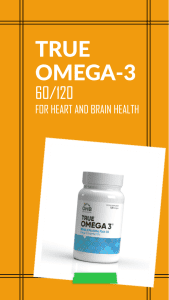
Now let's swim over to our main topic: fish-oil supplements! These aren't your average vitamins. These sea-serenade supplements are packed with omega-3 fatty acids, particularly EPA (eicosapentaenoic acid) and DHA (docosahexaenoic acid). Why should you care? Because these bad boys come loaded with a bunch of health benefits. Here are some reasons why fish oil is the superhero in a tiny capsule:
- Heart Health: Helps reduce elevated triglycerides—a significant risk factor for heart disease.
- Brain Boost: Supports cognitive function, keeping you sharp as a tack.
- Mood Regulator: May help with mood disorders; who needs a mood ring when your fish-oil is keeping your spirits high?
The Study from The New England Journal of Medicine
Hold onto your lab coats! A recent study published in The New England Journal of Medicine has shed even more light on the fish-oil phenomenon. This study, involving hemodialysis patients, was designed to assess the effects of fish-oil supplementation on cardiovascular health. Researchers conducted a double-blind, randomized trial—yes, it’s as serious as it sounds—to evaluate outcomes.
Key Findings
- Reduced Cardiac Events: There was a noticeable dip in occurrences of heart-related events compared to those who didn't receive fish-oil supplements.
- Improved Lipid Profile: Patients showed favorable changes in lipid profiles, a win for any cardiologist.
- Overall Safety: The supplementation was well-tolerated by participants, which is always a plus.
These findings suggest that incorporating fish-oil supplementation into a hemodialysis regimen could be beneficial—a hopeful harbinger for those affected.
The Mechanisms Behind Fish-Oil's Cardiovascular Benefits
So, why are fish-oils rubbing shoulders with Cupid when it comes to heart health? Let's turn the spotlight on their mechanisms:
- Anti-inflammatory Properties: Omega-3s are armed with anti-inflammatory functions that can soothe an inflamed cardiovascular system quicker than a mom at a soccer match.
- Blood Pressure Regulation: It’s like having an in-house yoga instructor for your arteries, helping to maintain lower blood pressure.
- Cholesterol’s Best Frenemy: Omega-3s are excellent at improving lipid and triglyceride levels, thus keeping those cardiovascular risks at bay.
Analyzing the Results: Benefits vs. Limitations
While the study was an eye-opener, let's not get carried away just yet. Here's a look at some of the highlights and hurdles:
Benefits:
- Heart-friendly Outcomes: Confirmed positive impacts on cardiovascular health metrics.
- Patient Tolerance: No significant side-effects mean it’s generally safe for consumption.
Limitations:
- Sample Size and Diversity: Further studies with varied demographics could provide more comprehensive insights.
- Duration of Study: Longer studies could better reflect long-term effects.
These areas highlight where the scientific community might poke their microscopes next. More research could unleash a trove of insights!
Practical Considerations for Hemodialysis Patients
Decided you want to take the plunge with fish-oil supplements? Here's how hemodialysis patients can leverage these:
- Recommendations: Always start with speaking to your healthcare provider for personalized advice. A healthcare provider might recommend fish-oil as part of your dietary regimen.
- Dosage Deciphering: Typical dosages range around 1-4 grams per day, but your doc will help figure out your Goldilocks fit.
- Product Choosing: Consider products tested for purity to avoid mercury and other contaminants.
Broader Implications for Public Health
The ramifications of this study extend beyond just hemodialysis patients. Here's what we might also consider:
- Guideline Influence: These findings might influence broader nutritional guidelines in the arena of cardiovascular health.
- Expansion to Other Groups: Populations like diabetics or those with metabolic syndrome might be keen on such insights.
- Economic & Accessibility Factors: Ensuring these supplements are accessible and affordable is vital for widespread health benefits.
Conclusion
To wrap up, fish-oil supplements are emerging as a noteworthy ally in the fight for better heart health, especially for our hemodialysis heroes. As more research rolls in, there’s every reason to remain optimistic and engaged. At Optimal Health Bridge, we believe that education is just as crucial as the supplements we provide. Stay fish-tastic, stay healthy!
References
- Research articles from The New England Journal of Medicine
- Supplemental studies on omega-3 fatty acids
- Resources on hemodialysis patient care and guidelines.