
Share
Greetings, health enthusiasts! Welcome to the Optimal Health Bridge, your one-stop shop for vitamins and wellness supplements that make your heart go boom (in a healthy way, of course). Today, we're diving into the choppy waters of fish oil to see if it truly holds the key to unlocking optimal heart health. Is it your heart's secret weapon, or should you drop it like it's hot? Let's find out!
What is Fish Oil?
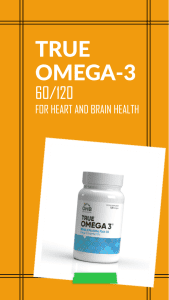
Let's swim into the basics. Fish oil is like the superhero of supplements, packed with omega-3 fatty acids, namely EPA (eicosapentaenoic acid) and DHA (docosahexaenoic acid). Think of EPA and DHA as Batman and Robin, joining forces to battle the harmful villains in your cardiovascular system.
Here are some quick fishy facts:
- Sources: Fatty fish like salmon, mackerel, and sardines. Also available in convenient supplements.
- Forms: Capsules, liquid, gummies (for those who can't resist a chewy treat).
- Dosage: 250-500 mg of combined EPA and DHA per day is recommended, but always check with a healthcare professional!
The Potential Benefits of Fish Oil for Heart Health
1. Cardiovascular Benefits
Fish oil has the potential to transform your heart health:
- Triglyceride Tamer: Studies have shown fish oil can significantly reduce triglyceride levels. It's like telling your blood fats, “Hey, no loitering!”
- Blood Pressure Balancer: It may also have a modest impact on lowering blood pressure, giving your heart that much-desired spa day.
- Heart Disease Risk Reducer: Regular consumption may lower the risk of heart disease, because, let’s face it, who wants heart drama?
2. Anti-inflammatory Properties
We all know inflammation is like a raging party crasher. Fish oil acts as a bouncer, helping to:
- Reduce Inflammation: Which is critical because chronic inflammation is linked to heart disease.
- Promote Healthier Arteries: Keeping those highways of life flowing smoothly.
3. Cholesterol Levels
Fish oil may give your cholesterol numbers a little pep talk:
- Boosts HDL: The "good" cholesterol that loves your heart back.
- Manages LDL: While studies show mixed results, some suggest fish oil may aid in managing those naughty "bad" LDL levels.
Scientific Studies: What the Research Says
Ah, science, the ultimate truth serum! Fish oil has been put under the microscope more times than my PhD in health puns. Here are some key findings:
- Studies have shown that regular fish oil consumption can lead to a 15-30% reduction in triglycerides.
- Meta-analyses indicate a potential, albeit modest, reduction in cardiovascular events.
However, not all researchers agree. Some studies suggest the benefits may be overhyped. Is fish oil a hero or just a sidekick? Let’s dig deeper!
The Cons and Potential Risks of Fish Oil
1. Side Effects
Every hero has a flaw or two, and fish oil is no different:
- Common Annoyances: Fishy aftertaste, stomach upset, and burping that could rival a whale's blowhole.
- Serious Concerns: Risk of bleeding, especially if you’re on blood thinners.
2. Ethical and Environmental Concerns
We're all about sustainability here at the Optimal Health Bridge! Consider:
- Overfishing: Our oceans are overworked, and overfishing is a big issue.
- Eco-friendly Alternatives: Algal oil, derived from algae, is an environmentally friendly omega-3 source.
3. Risk of Overconsumption
Be careful not to overdo it:
- Negative Health Impacts: High doses can lead to toxic build-up of vitamins A and D.
- Medication Interaction: Always consult your healthcare provider, especially if you're taking other pills.
Alternatives to Fish Oil for Heart Health
Fish oil isn’t the lone ranger in the realm of heart health:
- Plant-Based Omega-3 Sources: Flaxseeds, chia seeds, walnuts—Mother Nature’s treasure chest!
- Dietary Changes: Embrace the Mediterranean diet for a heart-loving lifestyle.
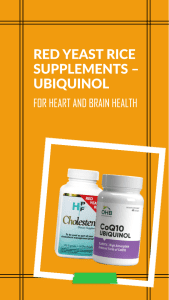
- Other Supplements: CoQ10, red yeast rice, and fiber supplements can bolster heart well-being.
Expert Opinions and Recommendations
We spoke with some big-brained cardiologists and dietitians who offered these pearls of wisdom:
- The American Heart Association suggests 1-2 servings of fatty fish per week or supplements under professional guidance.
- Personalized advice matters; after all, your heart is as unique as your taste in movies!
Conclusion
So, is fish oil the heart's holy grail or just another fish in the sea? We've explored its cardiovascular heroics, potential sidekicks in the form of plant-based oils, and its role in a heart-healthy lifestyle. Ultimately, the choice is personal, requiring thoughtful consideration of benefits, risks, and environmental impacts.
Call to Action
Before making any wild-ocean decisions, consult with your healthcare professional or give us a shout at Optimal Health Bridge. Share your heart health adventures and fish oil foibles—let’s embark on this journey together!
Additional Resources
Here's a treasure trove of knowledge for your curious heart:
- Scientific Studies on Omega-3 and Heart Health
- Omega-rich Recipes for a Tasty Heart
- Podcasts on Heart Health and Nutrition
With love from the heart (and a touch of laughter), your Optimal Health Bridge team signing off! Remember, a healthy heart is a happy heart. Keep smiling and swimming towards a better you!