
Share
Which Is Better for Heart: CoQ10 or Fish Oil?
When it comes to heart health, two supplements often come up: CoQ10 and fish oil. But which one should you choose?
The short answer is: they work differently, and the right choice depends on your wellness goals. Below is a quick comparison to help you decide.
What Does CoQ10 Do?
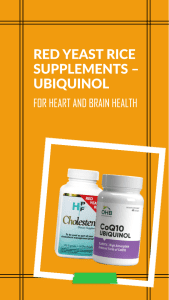
CoQ10 (coenzyme Q10) is a compound your body makes naturally. It is found in nearly every cell, with the highest concentrations in organs that need a lot of energy — like the heart.
Its main roles are:
- Supporting cellular energy production
- Providing antioxidant support
Who Might Consider CoQ10?
- Adults focused on heart muscle function and cellular energy
- Those looking for antioxidant support
- People who want to maintain CoQ10 levels, which may decline with age or statin use
What Does Fish Oil Do?
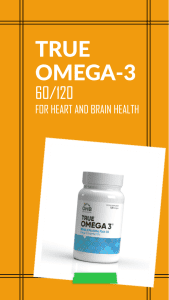
Fish oil is rich in omega-3 fatty acids, especially EPA and DHA. These are considered essential fatty acids, which means your body cannot make them on its own.
Who Might Consider Fish Oil?
- People who do not eat fatty fish regularly
- Those looking to support healthy triglyceride levels already within the normal range
- Adults focused on overall cardiovascular wellness and a healthy inflammatory response
Quick Comparison
| CoQ10 | Fish Oil | |
|---|---|---|
| Core role | Cellular energy + antioxidant support | Fatty-acid balance + healthy inflammatory response |
| Best fit for | Heart energy, antioxidant goals, statin users | Low fish intake, triglyceride/cardiovascular goals |
| Food sources | Meat, fish, whole grains | Fatty fish, algae |
| Can take daily? | Yes | Yes |
Do You Have to Choose One?
Not necessarily.
- Fish oil may be a good foundational choice for many people, since omega-3s are essential and many diets are low in fatty fish.
- CoQ10 may be a better fit if your goal is targeted heart-energy and antioxidant support.
Better yet: you can take them together. CoQ10 and fish oil work through different pathways — one supports cellular energy, the other supports fatty-acid balance — and may offer complementary support when combined.
How Our Coaches Can Help
At OHB, our coaches are here to make supplement choices easier. They can help you:
- Understand which supplement aligns with your diet and lifestyle
- Build a personalized daily supplement routine
- Answer questions about how to take and combine products
Important: OHB coaches provide product and wellness guidance. They do not diagnose, treat, or replace a licensed healthcare provider.
If you are pregnant, nursing, taking prescription medications, or have a medical condition, please talk to your healthcare provider before starting any new supplement.
How to Choose a Quality Supplement
Whether you choose CoQ10, fish oil, or both, look for:
- Third-party testing for purity and potency
- Clear labeling of ingredients and amounts
- Sustainable sourcing (especially for fish oil)
- No unnecessary fillers or artificial additives
Not sure where to start? Book a free coaching call and we’ll help you find the right fit.
Bottom Line
Fish oil is a broad, foundational option for many people. CoQ10 is a more targeted choice for cellular energy and antioxidant support. Taking both together may offer complementary benefits.
The best option is the one that matches your personal health goals — and our coaches can help you figure that out.
Frequently Asked Questions
Can I take CoQ10 and fish oil together?
Yes. They work through different mechanisms and are commonly taken together.
Which one is better for heart health?
Neither is universally "better." Fish oil may suit people focused on fatty-acid balance, while CoQ10 may suit people focused on cellular energy and antioxidant support.
Should I talk to a doctor before taking these supplements?
Yes, if you are pregnant, nursing, taking medications, or have a medical condition.
Disclaimer:
These statements have not been evaluated by the Food and Drug Administration. This product is not intended to diagnose, treat, cure, or prevent any disease. This article is for informational purposes only and does not constitute medical advice. Consult your healthcare provider before starting any new supplement, especially if you are pregnant, nursing, taking medication, or have a medical condition.