
Share
Short answer: Coenzyme Q10 (CoQ10) is a compound the body makes naturally. It helps mitochondria produce ATP, the energy cells use, and it also acts as an antioxidant. CoQ10 is found throughout the body, with higher concentrations in metabolically active organs.
Important notice: This article is for general education and is not medical advice. CoQ10 supplements are not intended to diagnose, treat, cure, or prevent disease, and they should not replace prescribed treatment.
What Is CoQ10?
CoQ10 is a fat-soluble, vitamin-like compound found in nearly every cell. The body normally makes it on its own, so CoQ10 is not considered a vitamin that everyone must obtain from food.
The name can be confusing: CoQ10 is not an enzyme. It is a cofactor, a small molecule that helps enzyme systems perform their work. The "Q" refers to its quinone structure, while "10" refers to part of its molecular side chain.
What Does CoQ10 Do in the Body?
| Established role | Plain-language explanation |
|---|---|
| Cellular energy production | CoQ10 transfers electrons in the mitochondrial respiratory chain, helping cells produce ATP. |
| Antioxidant activity | Its reduced form helps limit oxidative reactions that can damage cell membranes and other cell components. |
| Redox cycling | CoQ10 moves between oxidized and reduced forms as it participates in energy metabolism and antioxidant defense. |
These roles are part of CoQ10's established function in normal human biology.
Where Is CoQ10 Found?
CoQ10 is present throughout the body. Higher concentrations are found in metabolically active organs such as the heart, liver, kidneys, and pancreas. The body produces most of its own CoQ10, while food contributes a smaller amount.
Dietary sources include meat, fish, and vegetable oils. Organ meats contain relatively high amounts, but there is no established requirement to eat organ meats or take a supplement to maintain normal CoQ10 status.
Important Safety Note
CoQ10 is generally well tolerated, but mild digestive upset or insomnia may occur. It can interact with warfarin and insulin and may not be compatible with certain cancer treatments. Talk with a healthcare professional before use if you take prescription medication, are pregnant or breastfeeding, are preparing for surgery, have a chronic condition, or are receiving cancer treatment.
Frequently Asked Questions
Is CoQ10 a vitamin?
No. It is a vitamin-like compound, but the body normally synthesizes it. That distinguishes it from vitamins that must be obtained from the diet.
Are ubiquinone and ubiquinol the same thing?
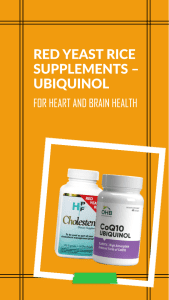
They are two redox forms of CoQ10. Ubiquinone is the oxidized form and ubiquinol is the reduced form. The body can convert between them.
Does everyone need a CoQ10 supplement?
No universal recommendation says that all healthy adults need one. A person's medical history, medications, reason for use, and the expected benefit should be considered.
Bottom Line
CoQ10 has two well-established biological roles: it participates in mitochondrial ATP production and antioxidant defense. The body normally makes it, and it is found throughout human tissues. Supplement decisions should take a person's health history, medications, and professional medical guidance into account.
Sources