
Share
Short answer: Omega-3 fatty acids, especially DHA, are important during pregnancy, but not every pregnant woman automatically needs a fish oil supplement. The FDA and ACOG recommend eating 8 to 12 ounces of lower-mercury seafood each week during pregnancy. A supplement may be worth discussing when seafood intake is low, a vegetarian or vegan diet limits EPA and DHA, or a prenatal vitamin does not contain DHA.
The right choice depends on the foods you eat, the amounts already present in your prenatal products, and guidance from your obstetric healthcare professional.
Why Omega-3 Matters During Pregnancy
The main omega-3 fatty acids are ALA, EPA, and DHA. ALA comes mainly from plant foods such as walnuts, flaxseed, chia seeds, and canola oil. EPA and DHA are found mainly in fish, seafood, algae, and marine omega-3 supplements.
DHA is a structural component of the brain and retina and accumulates rapidly during the third trimester. Because the body converts only a limited amount of ALA into EPA and DHA, eating walnuts or flaxseed does not provide the same direct source of DHA as seafood or an algae-derived supplement.
That does not make a supplement the automatic first step. Seafood also provides protein, iodine, choline, vitamin D, vitamin B12, selenium, and other nutrients that a fish oil capsule does not replace.
Start With Lower-Mercury Seafood
FDA and ACOG guidance recommends 2 to 3 servings, or 8 to 12 ounces, of lower-mercury seafood per week during pregnancy and breastfeeding. One adult serving is about 4 ounces before cooking.
Examples on the FDA "Best Choices" list include:
- Salmon
- Sardines
- Trout
- Shrimp
- Pollock
- Tilapia
- Canned light tuna
The FDA advises avoiding fish with the highest mercury levels, including shark, swordfish, king mackerel, marlin, orange roughy, Gulf of Mexico tilefish, and bigeye tuna. Choose a variety rather than relying on one type of seafood every week, and follow pregnancy food-safety guidance by eating seafood fully cooked.
When an Omega-3 Supplement May Be Discussed
An EPA/DHA or DHA supplement may be useful to discuss with your healthcare professional if you:
- Rarely or never eat fish or seafood
- Follow a vegetarian or vegan diet
- Cannot tolerate seafood during pregnancy
- Have a prenatal supplement that contains no DHA
- Have been advised that your dietary DHA intake is low
An algae-derived DHA product can provide a non-fish option for vegetarian or vegan diets. Check whether it supplies DHA alone or both DHA and EPA.
Do not add together a prenatal vitamin, fish oil, algae oil, and other fortified products without checking the combined amounts. More is not automatically better during pregnancy.
How to Read an Omega-3 Supplement Label
The front of a bottle may show a large total fish oil number, but the more useful figures are the amounts of EPA and DHA per serving.
| Label item | What to check |
|---|---|
| Serving size | The number of capsules needed to obtain the listed amounts |
| DHA | The amount of DHA per full serving |
| EPA | Whether EPA is included and how much |
| Other nutrients | Added vitamin A, vitamin D, or ingredients already present in a prenatal |
| Quality information | Manufacturing standards and testing for identity, purity, and contaminants |
| Allergen statement | Fish, shellfish, or other relevant ingredients |
Excessive intake of preformed vitamin A during pregnancy can be harmful, so check the complete ingredient list rather than assuming every marine oil product is interchangeable.
What About OHB True Omega-3?
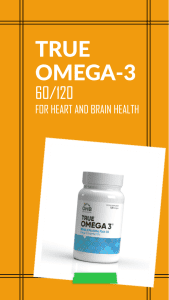
OHB True Omega-3 High Potency Softgels provide 800 mg EPA and 600 mg DHA per two-softgel serving. If your obstetric healthcare professional confirms that additional EPA and DHA fit your needs, we welcome you to consider OHB True Omega-3 as one option.
Before purchasing, share the Supplement Facts panel from OHB True Omega-3 or another fish oil product with your obstetric healthcare professional. They can evaluate the serving in the context of your seafood intake, prenatal vitamin, other supplements, medications, and individual health needs.
View OHB True Omega-3 Supplement Facts
How Do I Know Whether I Need a Fish Oil Supplement?
Bring the product label to your prenatal appointment and ask:
- How much DHA and EPA am I already getting from food?
- Does my prenatal vitamin already contain DHA?
- Is the serving in OHB True Omega-3, or another fish oil product, appropriate with my medications and health history?
- How long should I use it, and should the amount change after delivery?
FAQ
Do all prenatal vitamins contain DHA?
No. Prenatal formulas vary, and many do not include omega-3 fatty acids. Check the Supplement Facts panel for DHA and EPA rather than relying on the product name.
Is plant-based ALA enough during pregnancy?
ALA is an essential omega-3 and remains part of a healthy diet. However, conversion from ALA to DHA and EPA is limited, so people who avoid seafood should discuss a direct DHA source, such as algae-derived DHA, with a healthcare professional.
Should omega-3 intake begin before pregnancy?
FDA fish advice applies to people who might become pregnant as well as those who are pregnant or breastfeeding. Building a balanced eating pattern before pregnancy can make it easier to maintain during pregnancy.
Can I take fish oil with my prenatal vitamin?
Possibly, but the full labels need to be compared. Your obstetric healthcare professional should review the combined DHA, EPA, vitamin A, vitamin D, and other ingredients before you add another supplement.
These statements have not been evaluated by the Food and Drug Administration. Products portrayed on this website are not intended to diagnose, treat, cure, or prevent any disease.
Sources