
Share
Short answer: One ounce of English walnuts, about a small handful, provides approximately 2.57 grams of alpha-linolenic acid (ALA), according to the National Institutes of Health. ALA is the plant-based form of omega-3. Walnuts do not provide meaningful amounts of the EPA and DHA found in fatty fish and fish oil.
Walnuts are still one of the most practical plant foods for increasing ALA intake. They are easy to add to breakfast, salads, snacks, and baked dishes without changing an entire meal.
How Much Omega-3 Is in Walnuts?
The NIH lists English walnuts among the richer food sources of ALA. A one-ounce serving provides about 2.57 grams.
For context, the adequate intake for ALA is 1.6 grams per day for adult men and 1.1 grams per day for adult women. One ounce of walnuts therefore provides more than these general daily ALA amounts. Individual nutrition needs can vary, and ALA recommendations are not the same as EPA or DHA recommendations.
| Food | Serving | Main Omega-3 Type | Approximate Amount |
|---|---|---|---|
| English walnuts | 1 ounce | ALA | 2.57 g |
| Chia seeds | 1 ounce | ALA | 5.06 g |
| Whole flaxseed | 1 tablespoon | ALA | 2.35 g |
| Farmed Atlantic salmon, cooked | 3 ounces | EPA + DHA | 1.83 g combined |
These foods are not interchangeable. Walnuts, chia seeds, and flaxseed mainly provide ALA, while salmon directly provides EPA and DHA.
ALA Is Different From EPA and DHA
The three main omega-3 fatty acids are:
- ALA: Found mainly in plant foods such as walnuts, chia seeds, flaxseed, soybeans, and canola oil.
- EPA: Found mainly in fish, seafood, algae-derived products, and fish oil supplements.
- DHA: Also found mainly in fish, seafood, algae-derived products, and fish oil supplements.
The body can convert a small amount of ALA into EPA and DHA, but the conversion is limited. This means walnuts are a valuable source of plant-based omega-3, but they are not a direct substitute for foods or supplements that contain EPA and DHA.
Easy Ways to Eat More Walnuts
A standard serving is about one ounce, or a small handful. Simple ways to use walnuts include:
- Add chopped walnuts to oatmeal or yogurt
- Sprinkle them over salads or roasted vegetables
- Combine them with fruit for a portable snack
- Blend them into pesto or grain bowls
- Use unsalted walnuts in homemade trail mix
Walnuts are calorie-dense, so portioning a small handful is easier than eating directly from a large bag. Choose unsalted options when you want more control over sodium.
How to Keep Walnuts Fresh
The natural oils in walnuts can become rancid over time. Store opened walnuts in an airtight container in the refrigerator or freezer, especially if you buy a large package. Fresh walnuts should taste mild and nutty; a sharp, bitter, paint-like, or unpleasant flavor can be a sign that the oils have deteriorated.
Walnuts and OHB True Omega-3 Serve Different Roles
Walnuts are an excellent food source of ALA. People who also want a direct source of EPA and DHA may choose fatty fish, algae-based omega-3, or fish oil.
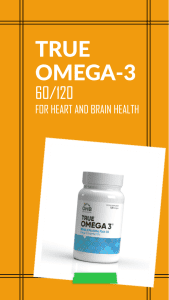
OHB True Omega-3 High Potency Softgels provide EPA and DHA in a convenient softgel format. They can complement a balanced diet that already includes plant foods such as walnuts; they do not replace the fiber, protein, minerals, or other nutrients found in whole foods.*
Important Considerations
Avoid walnuts if you have a walnut or tree-nut allergy. If you are considering an omega-3 supplement and take blood-thinning medication, are pregnant or nursing, are preparing for surgery, or have a medical condition, speak with a healthcare professional before use.
FAQ
Are walnuts a good source of omega-3?
Yes. Walnuts are one of the richer common plant-food sources of ALA omega-3. One ounce of English walnuts provides about 2.57 grams of ALA.
Do walnuts contain EPA and DHA?
Walnuts mainly provide ALA and do not contain meaningful amounts of EPA or DHA. Fatty fish, seafood, algae-derived products, and fish oil are more direct sources of EPA and DHA.
Are walnuts better than fish oil?
They serve different purposes. Walnuts are a whole food that provides ALA, fiber, protein, and minerals. Fish oil provides concentrated EPA and DHA. One does not fully replace the nutritional role of the other.
Can vegans get omega-3 from walnuts?
Yes. Walnuts can support vegan ALA intake. People seeking a direct vegan source of DHA or EPA can also consider an algae-derived omega-3 product.
The Simple Takeaway
One ounce of walnuts provides about 2.57 grams of ALA, making walnuts a convenient plant-based omega-3 food. Include them as part of a varied diet, and remember that EPA and DHA come from different sources.
*These statements have not been evaluated by the Food and Drug Administration. Products portrayed on this website are not intended to diagnose, treat, cure, or prevent any disease.
Sources