
Share
Which Is Better for the Heart: CoQ10 or Fish Oil?
When it comes to nurturing long-term cardiovascular health, two nutritional powerhouse ingredients routinely stand out: Coenzyme Q10 (CoQ10) and Fish Oil (Omega-3 fatty acids).
Both are widely respected in the wellness community, but they function in entirely distinct ways. If you are looking to elevate your daily wellness routine but aren't sure which one aligns best with your goals, understanding how they support your body can help you make an informed decision.
Understanding CoQ10: The Cellular Spark Plug
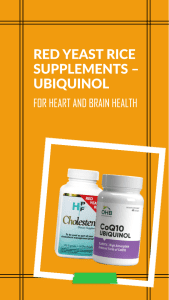
CoQ10 is a naturally occurring antioxidant that your body produces, primarily concentrated in organs that demand high amounts of energy—especially the heart.
How It Works:
- Cellular Energy Production: Think of CoQ10 as a spark plug for your cells. It plays a critical role inside the mitochondria (the powerhouses of your cells) to help convert the food you eat into cellular energy (ATP). Since the heart requires a continuous supply of energy to pump efficiently, adequate CoQ10 levels are essential for sustaining its natural stamina.
- Antioxidant Protection: As a potent antioxidant, CoQ10 helps neutralize free radicals, protecting cardiovascular cells from oxidative stress and maintaining overall tissue vitality.
Who It Is Best For:
- Individuals looking to support natural cardiac energy and vitality.
- Adults experiencing a natural decline in CoQ10 production due to the aging process.
- Anyone seeking comprehensive cellular and antioxidant support for their cardiovascular system.
Understanding Fish Oil: The Cardiovascular Smooth Operator
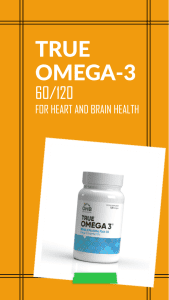
Fish oil is rich in essential Omega-3 fatty acids, specifically EPA (eicosapentaenoic acid) and DHA (docosahexaenoic acid). Unlike CoQ10, your body cannot make these essential fats on its own, meaning they must come from your diet or targeted supplementation.
How It Works:
- Nutritional Balance for Blood Lipids: Omega-3 fatty acids provide exceptional nutritional support that helps maintain healthy blood lipid and triglyceride levels already within a normal range.
- Supporting Vascular Elasticity: Fish oil helps promote smooth blood flow and supports the natural elasticity of arterial walls, ensuring your circulatory system operates like a well-maintained highway.
- Promoting Overall Balance: Omega-3s help maintain the body's natural, healthy inflammatory response, which is foundational to long-term vascular wellness.
Who It Is Best For:
- Individuals aiming to maintain a healthy blood lipid profile already within normal limits.
- Anyone looking to promote optimal circulatory function and overall vascular health.
- People who do not regularly consume fatty fish in their weekly diet.
CoQ10 vs. Fish Oil: Which One Should You Choose?
The short answer is: They do not compete; they collaborate. Because their mechanisms are entirely different, choosing between them depends on what specific area of cardiovascular wellness you want to prioritize.
- Choose CoQ10 if: Your primary goal is sustaining cellular energy, boosting antioxidant defense, and supporting the active pumping stamina of the heart muscle.
- Choose Fish Oil if: Your focus is on maintaining healthy structural circulation, promoting arterial flexibility, and balancing daily blood lipid levels.
The Synergy Benefit: For many individuals looking for comprehensive cardiovascular wellness, taking both together is highly effective. In fact, because CoQ10 is a fat-soluble nutrient, the healthy fats found in high-quality fish oil can actually help enhance the absorption of CoQ10 in your system.
What to Look For in High-Quality Supplementation
Whether you choose one or both, purity and stability matter. When selecting a supplement, always look for products that offer high bioavailability and are free from unnecessary fillers. For Omega-3s, prioritizing highly purified, molecularly distilled options ensures you receive optimal concentrations of active EPA and DHA without the unwanted extras.
*Consult with a qualified healthcare professional before introducing any new supplement into your daily routine, especially if you are taking prescription medications or have existing health considerations.