
Share
Introduction
Hello there, health enthusiasts! Gather around as we take a dip into the fascinating world of omega-3 supplements. These little heart-helpers are making waves in the health industry for their role in promoting cardiovascular wellness. But wait, before you jump into the deep end, it's crucial to understand that these supplements, like eager matchmakers, can sometimes pair up too aggressively with medications. Let's navigate through the sea of drug interactions to ensure you're riding the wave to heart health safely and effectively with Optimal Health Bridge.
Understanding Omega-3 and Its Benefits
First things first, what is omega-3, and why is everyone raving about it? Omega-3 fatty acids are a type of polyunsaturated fat—a fancy term for the good kind of fat that your heart actually invites to the party. They are primarily known for their anti-inflammatory properties and their prowess in reducing the risk of heart disease. Cheers to that!
Here are some key benefits that might just make you want to throw a party for your cardiovascular system:
- Reduces Triglycerides: Omega-3s work their magic by lowering levels of triglycerides, which are kind of like those unwanted party guests that your heart prefers to keep scarce.
- Lowers Blood Pressure: Having a bit of omega-3 can help your blood vessels relax, bringing your blood pressure numbers down to more pleasant levels.
- Fights Inflammation: Chronic inflammation is like a raging party you didn't sign up for; omega-3s help calm things down.
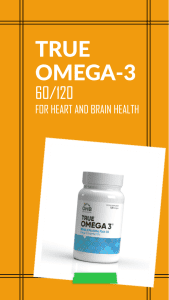
These benefits seem like the start of a beautiful friendship, don't they? Omega-3 can be found in abundance in fish like salmon and mackerel, but for those who dislike the taste of fish or have dietary restrictions, omega-3 supplements from Optimal Health Bridge are a popular alternative.
Why Drug Interactions Matter
Now, just as you wouldn't invite your noisy neighbor to a quiet night in, you should be cautious about mixing medications and supplements. Drug interactions occur when two substances don't jive well together, potentially leading to less effective treatments or, in worst-case scenarios, dangerous side effects. That's why we've got to be wise mixologists when it comes to supplements and medications.
Many medications have the potential to interact with omega-3 supplements, affecting how your body absorbs or reacts to both treatments. The takeaway? Always have a chat with your healthcare provider before you go mixing things up so you can keep your heart health journey on the right track.
Medications to Avoid Mixing with Omega-3 Supplements
1. Blood Thinners
Meet the party poopers of the drug world, blood thinners. These include:
- Warfarin
- Aspirin
- Heparin
These medications can already increase bleeding risks, but adding omega-3s to the mix might turn a paper cut into a dramatic spectacle. Omega-3s also have blood-thinning properties, and while this is great for heart health, it can spell trouble when paired with blood thinners. If you're dancing the fine line with these drugs, get tips from your healthcare provider on managing potential bleeding risks effectively.
2. Antihypertensive Drugs
If you're treating high blood pressure, you might be taking antihypertensive meds like:
- Lisinopril
- Metoprolol
- Losartan
Omega-3s are, metaphorically speaking, like reducing agents at a pressure-cooker party, potentially lowering your blood pressure further when combined with medication. It's a delicate dance that might leave you feeling woozy. Stay vigilant, keep track of your blood pressure, and consult your provider about any necessary dosage adjustments.
3. Diabetes Medications
When it comes to controlling diabetes, omega-3 supplements can interfere with:
- Metformin
- Insulin
- Glipizide
Omega-3s have been known to affect blood sugar levels and insulin sensitivity, which might lead to unplanned detours in your diabetes management journey. To avoid this, work with your healthcare provider to monitor sugar levels and ascertain if medication adjustments are required.
4. Nonsteroidal Anti-Inflammatory Drugs (NSAIDs)
Common over-the-counter pain relievers that might cause mischief with omega-3s include:
- Ibuprofen
- Naproxen
- Diclofenac
These NSAIDs and omega-3s together could be too exhilarating of a ride, leading to increased bleeding and pesky stomach irritation. It's wise to explore alternative pain management options or ensure close monitoring by your healthcare buddy.
How to Safely Incorporate Omega-3 Supplements
The real magic lies in informed decision-making. Here's how to safely invite omega-3 supplements into your life:
- Consult Your Healthcare Provider: Before you embark on the omega-3 journey, let your healthcare team in on your plans. They'll help navigate any potential medication interactions.
- Go for Quality: Much like the best parties, you want the highest quality invites. Choose premium omega-3 supplements, like those from Optimal Health Bridge, which are known for their purity and efficacy.
- Monitor Your Health: Keep an eye on your blood pressure, blood sugar, and any signs of excessive bleeding. Regular check-ins will keep things smooth sailing.
Additional Considerations
Remember, supplements are a part of a larger heart health puzzle. Ensure you're leading a heart-healthy lifestyle by maintaining a balanced diet, exercising regularly, and managing stress effectively. There's so much more to heart health than just omega-3s, and understanding all potential interactions will help maintain balance.
Conclusion
In the end, the adventure of mixing medications and omega-3 supplements is much like a well-attended soirée—it's all about balance, awareness, and informed choices. So keep the conversation open with your healthcare providers and make confident decisions that support your heart health goals.
For more information and resources on heart health and omega-3 supplements, explore scholarly articles and clinical guidelines, or turn to reputable sources like Optimal Health Bridge. Until next time, may your heart health journey be as delightful and engaging as a perfectly mixed playlist!
References
- Cardiovascular health peer-reviewed journals
- Clinical guidelines on drug-supplement interactions
- Reputable sources on supplement safety and efficacy
By following these guidelines, you'll ensure that your heart health journey stays on track and your life remains full of vitality and enthusiasm. Cheers to making informed choices and optimal heart health!