
Share
What Are Omega-3 and Omega-6 Fatty Acids?
Let’s start simple. Fats in your diet aren’t just tasty – they help give you energy and help your body use important vitamins like A, D, E, and K.
Omega-3 and Omega-6 fatty acids are special kinds of fats called polyunsaturated fats. Your body needs them, but it can’t make them on its own. So, you have to get them from the foods you eat.
Quick Science Breakdown
- Omega-3 fatty acids help fight inflammation, support your heart and brain, and may lower your risk of cancer.
- Omega-6 fatty acids help the body grow and repair cells, but too much can increase inflammation.
The key is getting the right balance between these two fats.
Top Sources of Omega-3 and Omega-6
The best way to get these fats is through healthy food (or high-quality supplements if needed). Here’s a simple list to help guide your next grocery trip.
Top 10 Omega-3 Rich Foods
- Salmon
- Mackerel
- Sardines
- Flaxseeds (ground for better absorption)
- Chia seeds
- Walnuts
- Algal oil (great for plant-based diets)
- Hemp seeds
- Canola oil
- Omega-3 fortified eggs
Tip: Fish like salmon have EPA and DHA—the most helpful types of Omega-3s. Plant foods usually have ALA, which your body needs to change into EPA or DHA.
Top 10 Omega-6 Rich Foods
- Corn oil
- Soybean oil
- Sunflower oil
- Safflower oil
- Pumpkin seeds
- Sesame seeds
- Margarine (made with vegetable oils)
- Mayonnaise
- Poultry (especially if grain-fed)
- Processed or snack foods
Omega-6 fats are found in many everyday foods, especially in packaged and fast foods.
The Omega Balance — Why the Ratio Matters
A long time ago, people ate about the same amount of Omega-3 and Omega-6. That’s a 1:1 ratio. Today, many people eat 15 to 20 times more Omega-6 than Omega-3. That can cause problems in the body.
The ideal balance is somewhere around 1:1 to 4:1. This range helps your body use both types of fat the right way—without causing too much inflammation.
Why Too Much Omega-6 Can Be a Problem
Eating too much Omega-6 can increase inflammation in your body. When inflammation sticks around too long, it can lead to serious health issues like cancer, heart disease, or autoimmune problems.
How Omega-3s May Help Reduce Cancer Risk
Research shows that Omega-3s may help fight cancer in many ways. Here are 10 possible benefits:
- Fights inflammation – Less inflammation means a lower disease risk.
- Slows cancer cell growth – May keep harmful cells from multiplying.
- Helps destroy bad cells – Encourages sick cells to shut down.
- Reduces blood supply to tumors – Makes it harder for tumors to grow.
- Improves cell communication – Keeps your cells working as a team.
- Boosts your immune system – Helps your body fight back.
- Changes how genes work – Promotes protective gene activity.
- Lowers stress on cells – Protects your cells from damage.
- Makes chemotherapy work better – May improve treatment results.
- Improves gut health – A healthy gut also supports a strong immune system.
What About Omega-6? Friend or Foe?
Omega-6 isn't all bad. Your body actually needs some, especially for kids' growth and development. One type, called linoleic acid, is very important. But problems start when people eat way too much from processed foods, veggie oils, and fried meals.
Extra Omega-6 can create inflammatory molecules that lead to diseases like cancer. The goal is not to cut it out completely, but to eat less of it and more Omega-3s instead.
What Does the Science Say?
Researchers have been studying Omega fats for years. Here’s what some studies suggest:
- Higher Omega-3 intake may lower breast cancer risk.
- Animal studies show Omega-3 can slow tumor growth.
- It may help prevent colon cancer in people at high risk.
- People with higher Omega-3 levels may live longer with cancer.
- Mediterranean diets with lots of Omega-3s are linked to less cancer.
- Omega-3s may lower inflammation tied to prostate cancer.
- Women who eat more Omega-3s may have lower risk of uterine cancer.
- Omega-3s support heart health, which is also important during cancer treatment.
- They may help reduce side effects from chemotherapy.
- Even gene studies show Omega-3s may affect cancer-related genes in a good way.
Where Supplements Fit In
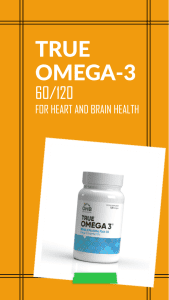
If you're super busy or not a fan of fish, Omega-3 supplements might be a great choice. At Optimal Health Bridge, we’ve created high-quality Omega-3s with extra EPA and DHA for the most benefit. It’s like a safety net for your health.
- Triple-purified for extra clean oils
- Made from small fish (less worry about mercury)
- Easy to swallow
- Backed by science and health experts
Quick Tips to Rebalance Your Fats
- Use olive oil instead of corn or soybean oil.
- Swap mayo for avocado or hummus.
- Eat wild-caught fatty fish two to three times a week.
- Snack on walnuts instead of chips.
- Add chia or flaxseeds to smoothies, oatmeal, or yogurt.
- Read food labels—you might be surprised what's in your pantry.
- Consider taking a high-quality Omega-3 supplement.
- Cut back on processed foods when possible.
- Choose grass-fed meats and pasture-raised eggs.
- Try to keep your Omega-3 to Omega-6 ratio balanced.
Final Thoughts
Getting the right balance of Omega-3 and Omega-6 fats is one simple way to protect your health and lower your cancer risk. It doesn’t have to be perfect—just more balanced.
At Optimal Health Bridge, we’re here to help you live your healthiest life, with simple steps and real support. A few smart changes today could make a big difference for your future.