
Share
When you think about omega-3s, you might picture a shiny bottle of fish oil pills that promise to keep your heart healthy. For years, omega-3 fatty acids have been called heart heroes. People have said they can help with brain power, your mood, and even lower your risk of heart disease.
But here’s the big question: Are omega-3 supplements really doing all that?
At Optimal Health Bridge, we believe in smart supplementation. That means only taking vitamins or supplements when they truly help your health. We also love sharing honest, easy-to-understand science. So, let’s take a closer look at omega-3s and see if they really help your heart like many believe.
1. Understanding Omega-3 Fatty Acids: Nature’s Good Fats
Omega-3s are a healthy type of fat that your body needs but can’t make on its own. That means you have to get them from food or supplements.
There are three main types:
- EPA (Eicosapentaenoic acid) – found in fish, helps reduce swelling and supports heart health.
- DHA (Docosahexaenoic acid) – also in fish, supports your brain, eyes, and heart.
- ALA (Alpha-linolenic acid) – comes from plants. Your body has to change it into EPA or DHA, but it doesn’t do that very well.
Top foods with omega-3s include:
- Fatty fish (like salmon, tuna, sardines, and mackerel)
- Flaxseeds and flaxseed oil
- Chia seeds
- Walnuts
- Algal oil (a great vegan option)
- Fortified eggs and dairy
- Edamame
- Brussels sprouts
- Hemp seeds
- Seaweed or nori
Yes—eating a wide variety of these foods can help your body get the omega-3s it needs!
2. The Origins of the Omega-3 Hype: How Fish Oil Became a Superstar
Back in the 1970s, studies looked at Inuit people who lived near the ocean. They ate lots of fatty fish and had low rates of heart disease. Researchers thought omega-3s were the reason why.
After that, omega-3s became super popular:
- Animal studies showed omega-3s helped reduce inflammation.
- Small studies in people showed possible heart benefits.
- The media shared the news everywhere.
- Supplement companies started selling fish oil quickly.
The FDA even allowed some health claims for omega-3s, but those claims were cautious. They weren’t fully proven, just possibly helpful.
3. What the Latest Research Says About Omega-3s and Heart Health
So, what does the latest science say?
Big studies over the past few years have looked at how omega-3 supplements affect your heart. The results were mixed—some showed benefits, others didn’t.
Here are a few major studies:
- VITAL Study (2018): No big heart benefits in healthy adults.
- ASCEND Trial (2018): Very small benefit for people with diabetes.
- REDUCE-IT Trial (2019): Showed strong heart benefits—but only with a high-dose, prescription EPA.
- STRENGTH Trial (2020): No heart benefit with an EPA/DHA combo.
- OMEMI Study (2020): No real improvement after heart attacks in older adults.
So yes, REDUCE-IT found success—but it used a special type of omega-3 oil you can’t buy in regular stores. Your average fish oil at the grocery store isn’t the same.
4. Limitations of Omega-3 Supplements: Not All Capsules Are Created Equal
Fish oil capsules can be helpful, but they aren’t perfect. There are some problems to know about:
- Different capsules have different amounts of EPA/DHA.
- Some pills contain old or rancid oil.
- Quality can vary a lot between brands.
- Some may have harmful things like heavy metals.
- They can taste or smell really bad.
- Some types are harder for your body to absorb.
- Not all health claims are backed by strong science.
- They might not work well with some medicines, like blood thinners.
- They’re not checked as strictly as prescription drugs.
- And the long-term benefits for healthy people? Still uncertain.
Taking fish oil without knowing what’s in it is like drinking a mystery smoothie—you don’t know if it’s helping or not.
5. When Omega-3s Might Still Be Beneficial (Yes, They’re Not Useless!)
Even with all these concerns, omega-3s can still be helpful—if you’re using the right type and for a good reason.
Who might benefit the most?
- People with high triglycerides
- Those recovering after a heart attack
- People with chronic inflammation, like arthritis
- Pregnant women (for baby’s brain and eye growth)
- Vegans or vegetarians who don’t eat fish
- People with autoimmune conditions
- Older adults working to protect brain health
- Anyone who won’t eat fish no matter what
- People with diabetes and poor fat balance
- Anyone who can’t easily get fresh, healthy fish
Quick tip: Omega-3s work best when they come in the “triglyceride” form—not the “ethyl ester” form. Your body can absorb them better that way.
At Optimal Health Bridge, we focus on quality omega-3s that are clean, pure, and truly helpful—no guesswork needed.
6. Whole Foods vs Supplements: Why Salmon Still Wins
Pills can help, but real food is almost always better. Fish like salmon doesn’t just bring omega-3s—it gives you tons of other nutrients too.
Here’s why fish wins over pills:
- Your body absorbs nutrients better from food.
- You get extra goodies like vitamin D, protein, and selenium.
- No worries about old or spoiled oil.
- Eating dinner is more fun than swallowing a pill.
- Harder to take too much when eating food.
- May help your health more in the long run.
- Encourages healthy food habits overall.
- Can be a fun social event (like sushi night!)
- No confusing labels to read.
- Also—it just tastes better!
If you’d rather eat fish than take a fish oil pill, that’s a smart idea. But, if your seafood diet includes only fish sticks, a good supplement can still be helpful.
Conclusion: The Verdict on Omega-3s
Omega-3s are important—but they aren’t magic. You can’t just take any old fish oil pill and expect your heart to be safe.
Here’s what to remember:
- Eat fatty fish 2–3 times a week if you can.
- Take a good-quality supplement if you’re someone who could benefit.
- Don’t rely on cheap capsules alone to prevent heart disease.
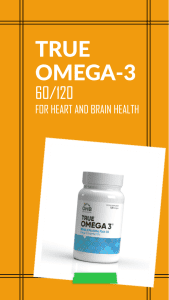
At Optimal Health Bridge, we offer top-quality omega-3s that don’t cut corners. We believe in giving your body what it truly needs—without the fishy surprises.
Want to explore our trusted omega-3 options and learn more about keeping your heart, brain, and body in top shape? Visit our shop and reach out to our wellness team. We