
Share
If your heart could send you a message, it might say: “Hey! More omega-3s, please. Also, less stress—and maybe call your mom.” ❤️
At Optimal Health Bridge, we love helping you keep your heart happy. Omega-3 fatty acids are like superheroes for your heart, mind, and even your joints.
In this guide, you’ll learn what omega-3s are, why they're important, and some easy and tasty ways to add them to your meals—without making a fishy face!
What Are Omega-3 Fatty Acids?
Let’s break it down simply. Omega-3 fatty acids are healthy fats that your body needs but can’t make on its own. That means you need to get them from food or supplements.
There are three main types:
- ALA (Alpha-linolenic acid): Found in plant foods like flaxseeds and walnuts
- EPA (Eicosapentaenoic acid): Found in fatty fish like salmon and mackerel
- DHA (Docosahexaenoic acid): Also found in fatty fish—great for your brain and eyes
Why Your Heart Loves Omega-3s
- Lowers harmful fats in your blood (called triglycerides)
- Helps bring down high blood pressure
- Fights inflammation inside your body
- Supports a steady heartbeat and better blood flow
- Keeps your arteries flexible and healthy
How Much Do You Need?
- ALA: 1.1–1.6 grams per day for adults
- EPA & DHA: 250–500 mg total per day for general health
That might sound like a lot of numbers, but here’s the simple version: Eat omega-rich foods often, and use a good supplement if you’re not getting enough from food.
Top 10 Foods Full of Omega-3s
Here are some tasty picks to help you get more omega-3s in your meals:
- Salmon – Loaded with heart-healthy EPA and DHA
- Mackerel – A small fish with big omega power
- Sardines – Tiny but packed with healthy fats
- Flaxseeds – Great plant source of ALA
- Chia seeds – Full of ALA, plus fiber and protein, too
- Walnuts – Shaped like your brain and good for it!
- Hemp seeds – A yummy and mild-tasting seed full of ALA
- Tuna (especially albacore) – Convenient, tasty, and full of omega-3s
- Algal oil – A plant-based source of DHA for vegans
- Omega-3 eggs – Fortified eggs that give you a healthy boost
Try to keep some of these foods on your weekly shopping list. Your heart will thank you!
10 Easy Ways to Eat More Omega-3s
Let’s make it simple and fun:
- Put chia seeds in your morning smoothie or oatmeal.
- Sprinkle ground flaxseeds on yogurt, soup, or cereal.
- Snack on raw walnuts in the afternoon.
- Make a salad dressing using flaxseed oil—it tastes nutty and nice!
- Make tuna or salmon salad and eat it on whole grain toast.
- Use omega-3 eggs in your breakfast dishes.
- Bake energy bites or muffins with hemp seeds.
- Grill a salmon burger instead of beef for burger night.
- Take an algal oil supplement if you don’t like fish.
- Cook with canola oil—it has a little ALA and is good for cooking.
Tip: Mix and match! A little bit from different foods adds up quickly.
Sample Day: What an Omega-3 Filled Day Looks Like
Need some meal inspo? Here’s one day filled with omega-rich foods:
- Breakfast: Greek yogurt with chia seeds, banana, and honey
- Snack #1: A handful of walnuts with dried cranberries
- Lunch: Tuna-stuffed avocado halves with whole grain crackers
- Snack #2: Homemade flaxseed energy bites and green tea
- Dinner: Grilled salmon bowl with quinoa, steamed spinach, and hemp seeds
That’s a full day of yum and heart-friendly nutrients!
Tips for Buying and Storing Omega-3 Foods
Keep your omega-3 foods fresh and tasty with these tips:
- Buy wild-caught fish if you can—they usually have more omega-3s.
- Frozen fish is fine. Just check for added stuff and cook soon after thawing.
- Store nuts and seeds in the fridge or freezer so they don’t go bad.
- Buy small bottles of flaxseed oil and keep them cold to stay fresh.
- Check supplement labels for expiration dates and keep oil-based ones in a cool spot.
Supplements: Do You Need One?
Eating omega-3 rich foods is best, but sometimes supplements can help. You may want to add one if:
- You don’t eat fish or don’t like it
- You follow a vegetarian or vegan diet
- You’re trying to lower high triglycerides or fight inflammation
- Your doctor suggests extra EPA or DHA
Best Types of Omega-3 Supplements
- Fish oil – The classic choice, works well
- Krill oil – Smaller capsules and has extra antioxidants
- Algal oil – Plant-based DHA for non-fish eaters
Look for these things on any label:
- At least 500mg of combined EPA/DHA per serving
- Third-party testing (look for NSF, USP, or IFOS logos)
- No extra filler or weird ingredients
Always talk to your doctor before starting a new supplement, especially if you’re on medicine or have other health issues.
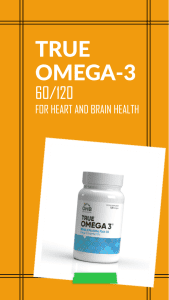
(Psst… Our omega-3s at Optimal Health Bridge are high-quality, clean, and tested. Just saying!)
Common Myths About Omega-3s (Let’s Bust Them!)
-
Myth: You can’t get omega-3s without eating fish.
Truth: There are great plant-based options and supplements for everyone. -
Myth: All fats are bad.
Truth: Good fats like omega-3s help your heart and reduce swelling in the body. -
Myth: Omega-3s are just for older folks.
Truth: These healthy fats are great for kids, grown-ups, and everyone in between. -
Myth: Eating fish once in a while is enough.
Truth: Your heart needs love every day. Try to get omega-3s regularly. -
Myth: All omega-3 supplements are the same.
Truth: Quality matters! Always check for clean, tested, and potent products.
Final Thoughts: Show Your Heart Some Love
Adding omega-3s to your diet is one of the easiest and smartest ways to care for your heart. Plus, your mood and brain will be super thankful too.