
Share
If you've ever stood in the supplement aisle holding a giant bottle of fish oil and wondering, “Is this really helping my heart—or just giving me fishy burps?” you’re definitely not alone.
Fish oil supplements are everywhere. People call them heart helpers, think they fix all kinds of heart troubles, and maybe even believe they’re why Grandma made you eat sardines (okay, maybe that one’s a stretch). But let’s really look into the facts behind these slippery little capsules.
Welcome to Optimal Health Bridge’s myth-busting tour of the famous fish oil!
What Is Fish Oil and Why Is It So Popular?
Before we start breaking down myths, let’s talk about what fish oil actually is.
Fish oil comes from the tissues of oily fish like salmon, mackerel, sardines, and anchovies (yep, even those little guys on pizza). The main power in fish oil comes from omega-3 fatty acids. The two most important ones are:
- EPA (Eicosapentaenoic acid): Helps calm inflammation in the body.
- DHA (Docosahexaenoic acid): Helps your brain, eyes, and heart stay healthy.
There’s also another omega-3 called ALA (Alpha-linolenic acid) found in plants like flaxseeds and walnuts. But your body can only turn a small amount of ALA into the good stuff like EPA and DHA. So even though plant foods are great, they don’t give you as much heart-helping power as fish sources.
So why do people say fish oil is good for your heart? Because omega-3s can:
- Lower inflammation (which can lead to sickness if it gets out of control).
- Make your blood less sticky to reduce clots.
- Help your heartbeat stay steady.
Sounds amazing, right? But not so fast—we still need to look at the real science.
Where Did All the Hype Come From?
Let’s go back to the 1970s. Scientists were studying Inuit people in Greenland. These folks ate a lot of fish but had very low rates of heart disease. That got people thinking: maybe fish oil is the key to a healthy heart.
Since then, tons of small studies and supplement ads have shouted, “Take fish oil and save your heart!” Some of those early studies looked promising. But now we have much bigger studies, and a lot more to think about.
10 Claimed Benefits of Fish Oil for Heart Health
You’ve probably heard fish oil can do all kinds of amazing things, like:
- Lower your triglycerides (a kind of fat in the blood)
- Reduce blood pressure
- Raise HDL (the “good” cholesterol)
- Lower inflammation
- Cut down heart attack risk
- Prevent irregular heartbeats
- Lower stroke risk
- Slow down plaque in your arteries
- Improve how your blood vessels work
- Reduce the risk of dying from heart disease
That makes fish oil sound like a superhero, right? But the truth is a little more complicated.
What the Science Really Says
Scientists have run huge studies to find out if fish oil is as powerful as people say. Here’s what some of the biggest studies found:
- ASCEND (2018): In 15,000 people with diabetes, fish oil didn’t lower heart risk.
- VITAL (2019): In 25,000 healthy people, there was no big change in heart attacks or strokes—except for those who didn’t eat fish regularly.
- REDUCE-IT (2018): High-dose EPA (4g a day) lowered heart events by 25%—but only in high-risk patients.
- STRENGTH (2020): Used a mix of EPA and DHA at 4g/day but showed no benefit.
- ORIGIN (2012): For people with diabetes or prediabetes, no change in heart health.
- Cochrane Review (2020): Studied 86 trials with over 160,000 people. Result? Only a tiny benefit.
- JAMA Meta-Analysis (2018): No strong evidence of fewer heart attacks or deaths.
- European Heart Journal (2021): Said omega-3s help people with high triglycerides, not everyone else.
- AHA Statement (2017): Fish oil might help people with heart failure or past heart attacks, but isn’t needed for everyone.
- Prescription vs. Over-the-Counter: High-dose, purified forms help some people. Regular store-bought ones may not be strong enough to make a difference.
The short version: Fish oil helps certain people—especially those at high risk or with high triglycerides. But it’s not a magic pill for everyone.
10 Fish Oil Myths That Need to Go Away
Let’s bust some common fish oil myths:
- “All fish oil is the same.” Wrong! Quality, strength, and purity vary a lot.
- “The more omega-3s the better.” Not really—it can even cause side effects if you take too much.
- “Fish oil totally prevents heart attacks.” Sadly, not true.
- “I don’t need to eat fish—I take a pill.” Whole foods still matter. Real fish is great for your health.
- “There are no side effects.” Some people get smelly burps or upset stomachs. There’s also a risk of bleeding if you overdo it.
- “It’s natural, so it must be safe.” Lots of natural things aren’t safe in big amounts. Always be careful.
- “Fish oil reverses heart disease.” It may slow down some damage but isn't a cure.
- “All studies show it works.” As you’ve seen, results are mixed.
- “Prescription and store fish oil are the same.” Not even close. Prescription ones are stronger and cleaner.
- “I don’t need to ask a doctor.” Always check, especially if you take other medicines.
Should You Still Take Fish Oil?
Yes, we sell omega-3 supplements—but we also believe in telling the truth.
You might benefit from fish oil if:
- You have high triglycerides
- You’ve had a heart attack or have heart failure
- You don’t eat fish at least twice a week
- You want to support brain and joint health
Just remember: fish oil isn’t magic. It should be part of a healthy lifestyle, not a replacement for it.
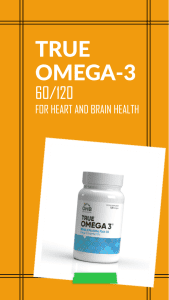
At Optimal Health Bridge, we offer purified, high-quality omega-3s with strong levels of EPA and DHA—better than cheap versions that smell like old fish.
We believe in smart supplements, good food, regular movement, and lots of smiles. 😄
Final Thoughts: Is Fish Oil Worth It?
Here’s the bottom line:
- Fish oil can help in some cases, but it’s not a miracle cure.
- Know your health risks, and pick good-quality fish oil if you need it.
- Be careful of ads that make big promises.
- Use fish oil to support healthy habits—not to avoid them.
We’re not here to sell you snake oil—or fish oil that acts like it. We want you to feel informed, confident, and healthy so your heart (and you) can live your best life.
Next time you're shopping and looking at that bottle of fish oil, ask yourself: “Is this right for me?” The answer depends on you—and what’s inside that capsule.
Stay curious. Stay healthy. And for the love of your breath—say no to fish burps.
❤️🐟
— The Team at Optimal Health Bridge
Ready to Take the Next Step?