
Share
Introduction
Welcome to the heart health party! 🎉 I know, parties usually involve a different kind of heart action (dancing, anyone?), but today we're tuning into a different beat: the beat that keeps you going every day! Heart health is a big deal, and so are the foods and nutrients that help keep it ticking smoothly. You've probably heard about Omega-3 fatty acids and maybe even pondered over fish oil supplements sold by companies like Optimal Health Bridge. But should you join the Omega-3 club or keep swimming along without them? Let's dive into this juicy debate and find out.
Understanding Omega-3 Fatty Acids
What are Omega-3s?
Omega-3 fatty acids are like the VIP guests of the nutrition world. They come in three main forms: alpha-linolenic acid (ALA) – the friendly vegetable, eicosapentaenoic acid (EPA), and docosahexaenoic acid (DHA) – the double trouble fishy duo. These are essential fats that our bodies can't produce on their own, so they rely on us to invite them to the party via diet or supplements.
Sources of Omega-3s
- Natural dietary sources:
- Fish like salmon, mackerel, and sardines (think of them as the popular table guests at your nutrition party).
- Flaxseeds and chia seeds – small but mighty!
- Walnuts – the nutters that love to mingle in your lunch salads.
- Fortified foods:
- Ever seen milk, eggs, or yogurt boasting Omega-3 content on the shelves? Yep, they're pimped out for your heart's pleasure.
- Supplements:
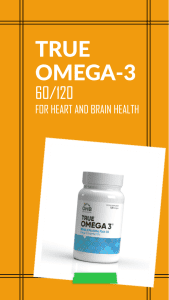
- Fish oil capsules.
- Krill oil for the fancy crustacean enthusiasts.
Each source has its own perks, but today we're focusing on those convenient little capsules: fish oil supplements.
The Benefits of Omega-3 for Heart Health
Let's get to the heart (pun intended) of why Omega-3s are so adored:
- Reducing triglycerides: Helps to ditch the unwanted fats from your blood – the less stuff clogging your arteries, the better!
- Lowering blood pressure: Keeps the ticker from having to pump like it's running a marathon.
- Decreasing risk of heart disease: Because who wants to RSVP to that party?
- Slowing the development of plaque in the arteries: Acts like a toothbrush, scrubbing away those unwanted deposits.
- Reducing risk of arrhythmias: Keeps your heart on beat – all rhythm, no blues.
- Anti-inflammatory properties: Helps to cool down inflammation hotspots.
- Potential reduction in stroke risk: Adds an extra safety net for our cranial party-goer, the brain.
- Supporting endothelial function: Think of it as the brain behind your blood vessel walls.
- Combatting metabolic syndrome: Helps slap that syndrome goodbye.
- Improving cholesterol levels: Balances out HDL and LDL – two words you'll want to brag about at heart health gatherings.
The Debate: To Supplement or Not?
Arguments for Fish Oil Supplements
- Evidence of benefits from clinical studies: Many studies have shown that supplements can help achieve the Omega-3 intake needed to support heart health.
- Easy source of daily Omega-3: It's like inviting a VIP directly to your door. No fishing involved.
- Standardized dosage: It's like knowing exactly how much confetti a party needs to stay exciting without going overboard.
Arguments Against Supplements
- Questionable bioavailability: Are those Omegas capable of making it to the heart of the party?
- Quality and contamination concerns: No one likes a party crasher, especially in the form of mercury or other toxins.
- Overconsumption risks and possible side effects: Gives a whole new meaning to "too much of a good thing."
- Cost compared to dietary sources: You might end up spending more on supplements than if you just threw a salmon-steaked BBQ.
Current Research and Studies
Ah, the scholars of heart health! Let's take a peek at what they've concluded so far:
- Some studies do endorse the benefits of fish oil supplements for heart health. The Omega-3 Parade has its dedicated floats of positive findings.
- But, there are also studies that express skepticism, mentioning limited benefits especially in those already at a lower risk of heart disease. In other words, they're the cautious types.
- Meta-analyses and systematic reviews often offer mixed verdicts – because science loves a plot twist.
- Health organizations differ in recommendations, with some hyping the fish oil trend and others advising moderation.
How to Decide: Personal Considerations
Consulting Healthcare Professionals
Have a chat with the real MVPs: healthcare professionals! They'll tailor the Omega-3 invitation to suit your heart's needs.
Evaluating Dietary Intake
- Sift through your current diet: Are you throwing enough fishy fêtes?
- Look out for deficiency symptoms: Feeling foggy, fatigued, or moody? Could be a sign your party's a bit dry and low on fatty acids.
Lifestyle and Dietary Preferences
- Are you a plant-lover looking for vegetarian alternatives? Because you deserve to be part of the Omega-3 fan club too.
- Balance cost with health benefits: Will the wallet dance hand-in-hand with your heart health?
Alternatives to Fish Oil Supplements
Hey, not everyone loves supplements, and that's okay. Here are some alternatives:
- Increased consumption of oily fish: Hail the almighty salmon!
- Tapping into plant-based sources: Flaxseed oil, chia seeds, and walnuts – plant bounty awaits.
- Prescription Omega-3 fatty acid products: The doctor-prescribed powerhouse entry tickets.
- Algal oil: Vegetarians can join the Omega-3 group hug too!
Conclusion
We've journeyed through the Omega-3 cosmos, from fatty acids to heart parties, and tackled the supplement debate. The verdict? It's personal! Consider your health needs, lifestyle, and what makes you (and your heart) truly happy. Remember, it's not just about supplements – weave Omega-3-rich foods into your diet and embrace a heart-healthy lifestyle full of joy and vitality!
Additional Resources
For more scoop, check out links to these reputable studies and articles, shop for premium fish oil supplements, or grab a guide to incorporating Omega-3 naturally.
- Health organization recommendations available at [Heart Organization Name].
- Practical dietary guides for fun, delicious Omega-3 meals at [Food Guide Link].
Keep swimming, keep smiling, and keep your heart's beat one step ahead!