
Share
Who knew fish oil could help keep your brain sharp—even as you get older?
At Optimal Health Bridge, we love helping people feel great, age well, and have fun doing it. That’s why today we’re taking a closer look at something super cool for your health: omega-3s and how they may help prevent dementia. Thanks to a recent study from the University of Cincinnati, we’ve got some exciting stuff to share!
So grab a cup of tea, get comfy, and let’s dive in.
The Growing Challenge of Dementia
Dementia isn’t just one disease. It’s a group of problems that affect memory, thinking, and behavior. And sadly, it’s becoming more common around the world.
- More than 55 million people around the world have dementia.
- Alzheimer’s disease causes 60–70% of these cases.
- Experts expect the number of cases to triple by 2050 unless we take action.
Dementia usually starts slowly. People might forget things more often or get confused. Over time, it can affect daily life and independence. While we can’t control things like age or genetics, there are other ways to lower our risk. Lifestyle choices like staying active, eating well, and getting good sleep all matter.
What Are Omega-3s?
Omega-3s are healthy fats that your body needs but can’t make on its own. That means you have to get them from food or supplements—kind of like ordering healthy fuel for your brain and body.
1. ALA (Alpha-linolenic acid)
- Comes from plants
- Found in flaxseeds, chia seeds, and walnuts
2. EPA (Eicosapentaenoic acid)
- Found in fish and krill oils
- Great for heart health
3. DHA (Docosahexaenoic acid)
- Also comes from marine sources
- Super important for your brain
- Makes up a big part of your brain’s gray matter
Here’s a fun fact: DHA helps your brain cells stay strong and work well. It’s kind of like giving your brain a stronger foundation!
Top Foods With Omega-3s:
- Salmon
- Sardines
- Mackerel
- Flaxseeds and chia seeds
- Walnuts
- Omega-3 enriched eggs
- Algae-based supplements (great for vegetarians)
- Herring
- Krill oil capsules
- Cod liver oil
The University of Cincinnati Study – What Did They Find?
Here’s where it gets really exciting. Researchers at the University of Cincinnati did a study looking at how DHA affects memory in older adults—especially those who have a higher risk of Alzheimer’s disease due to their genes.
Study Highlights:
- Adults ages 55 and older took part.
- It was a well-designed study that lasted 6 months.
- Some people took a daily dose of DHA (2 grams per day).
- The researchers checked their memory and DHA levels in the blood.
The results?
- People who took DHA showed better memory on tests.
- Those with the APOE4 gene (which increases Alzheimer’s risk) saw even more benefits.
- Blood levels of DHA went up and matched the brain improvements.
Basically, giving your brain the right kind of healthy fat can help it work better—especially as you get older.
10 Big Takeaways From the Study
- DHA helps improve memory in older adults.
- It’s especially helpful for those showing early signs of memory decline.
- People with the APOE4 gene saw the biggest boost.
- Taking 2 grams of DHA a day showed results in 6 months.
- Your DHA levels in the blood can tell you how well it’s working.
- The earlier you start taking omega-3s, the better.
- Fish alone may not be enough—supplements help fill the gap.
- There were no major side effects reported.
- Different people may need different amounts—that’s where personalized supplements come in.
- Omega-3s aren’t a cure, but they’re a helpful tool to protect your brain.
What Other Research Says About Omega-3s and the Brain
This study isn’t the only one showing how awesome omega-3s are. Other research backs it up too!
- A 2016 review found that people with more omega-3s had bigger, healthier brains.
- Harvard researchers said DHA keeps the hippocampus strong. That’s the part of your brain that helps with memory.
- A 2021 analysis showed omega-3s help memory and may reduce depression in older adults.
- An Australian study found that omega-3s improved memory and reading in younger people too.
- In Japan—where people eat more fish—the rates of dementia are lower.
All this tells us one thing: omega-3s are really good for brain health, no matter your age.
12 More Ways to Keep Your Brain Healthy
Omega-3s are great, but they work even better with other good habits. Here are some easy ways to take care of your brain:
- Get 7–8 hours of sleep every night.
- Move your body regularly—walking counts!
- Eat a healthy, Mediterranean-style diet.
- Do brain games like puzzles, reading, or even fun apps.
- Spend time with people you care about. Connection matters!
- Try meditation or take quiet time each day.
- Cut back on sugar when you can.
- Drink plenty of water.
- Keep your blood pressure and cholesterol in a healthy range.
- Don’t smoke and limit alcohol.
- Find ways to manage stress (music, art, or breathing exercises).
- See your doctor regularly for checkups.
Final Thoughts from Optimal Health Bridge
Let’s be honest—we all forget where we put our keys sometimes. (Hint: check the fridge.) But science shows that omega-3s, especially DHA, can protect your brain and help you stay sharp as you age.
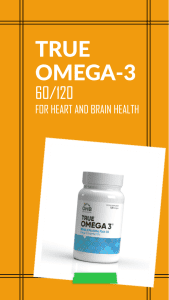
At Optimal Health Bridge, we create top-quality omega-3 supplements that nourish your heart, brain, and body. Whether you’re looking to stay sharp, feel better, or just take care of yourself—our products are here to help.
Want to give your brain a boost? Try our premium omega-3s today. Your neurons will thank you!
It’s never too early—or too late—to start caring for your brain. Think of omega-3s as your brain’s favorite smoothie... in a convenient little capsule!
Thanks for reading! Keep smiling, keep learning, and keep living your best life.
Written with care by your friends at Optimal Health Bridge